


Turning Signals Into Alignment
Fraud leaders see the truth first. They’re the ones who notice when patterns shift, signals emerge, and when something doesn’t fit the expected flow. If chargebacks spike in a region, login failures begin to cluster, or a wave of suspicious accounts registers overnight, those signals are familiar. Fraud teams know exactly what they mean: trust is under pressure.
But the challenge isn’t spotting the problem. It’s getting everyone else to feel the urgency.
For years, fraud prevention has been framed as an operational discipline, a specialized function with its own tools, metrics, and mandates. Yet what fraud actually reveals is broader: it shows how customer journeys are breaking. When those journeys break, it’s not just fraud’s problem. It’s everyone’s problem.
The Signal No One Can Ignore
Fraud teams see the evidence in chargeback codes, in login anomalies, in transaction failures that don’t match normal user behavior first. Each one is a signal that the flow isn’t working as intended.
But product teams don’t see those signals directly. They see adoption numbers slipping, retention curves flattening, or NPS scores dropping. Engineering teams don’t see them either. They see a backlog of bug reports, latency alerts, and scaling challenges. Executives don’t see them at all until they’re reflected in revenue forecasts or market trust.
And so, fraud becomes invisible. The very team with the clearest evidence of broken journeys struggles to get the organization to act with the same urgency.
Why Alignment Is the Hardest Part
The companies that win against abuse are rarely the ones with the flashiest detection rules or the largest fraud teams. They’re the ones that turn signals into alignment.
- Fraud teams bring the insight: where abuse is happening and how it’s changing.
- Product teams bring urgency: because broken flows are adoption problems, not just fraud problems.
- Engineering brings execution: making defenses scalable and sustainable at the core of the platform.
When those three pieces move together, fraud gets caught and prevented. And the product itself gets stronger.
But alignment is hard. Fraud teams often speak in reason codes, device anomalies, and dispute ratios. Product leaders speak in adoption metrics and growth targets. Engineers speak in system reliability and technical debt. Each one sees the same problem through a different lens, and without translation, urgency gets lost.
Making the Invisible Visible
The first step toward alignment is making the invisible visible. Fraud teams need to show not just that abuse is happening, but how it breaks flows everyone else cares about. They need to speak the language of their intended audience.
- Fake accounts skew fraud metrics and distort search results and pollute growth KPIs.
- Bots generate noise and clog inventory, creating availability problems product teams can’t ignore.
- Chargebacks erode fraud P&L and inject volatility into revenue forecasts and customer trust.
- Takeovers lock out accounts and damage retention curves and brand loyalty.
When fraud signals are reframed as product disruptions, they stop being back-office concerns. They become core business issues.
Evidence Over Black Boxes
There’s another dimension to alignment: credibility. Too often, fraud prevention is treated as a black box. Systems produce scores, thresholds, or blocks without explainability. Fraud teams are left to advocate for decisions they can’t fully show, and product or engineering counterparts, skeptical of opaque reasoning, hesitate to act.
The way forward is evidence. Fraud teams must be able to show the entire journey, not just isolated checkpoints. They have to be able to trace abuse back through real flows, revealing how and why legitimate customers were impacted. And they must demonstrate the difference between a broken experience caused by fraud and one caused by product friction.
Evidence builds alignment. When product and engineering leaders can see abuse through the same lens as fraud leaders, they act faster. When executives can trace signals directly to business outcomes, they allocate resources faster.
Lessons From Aligned Teams
In practice, alignment looks like this:
At a leading on-demand platform, fraud, product, and engineering aligned around a single view of abusive cart traffic. Instead of debating whether fraud had the right signals, they saw the flows breaking in real time. The problem was resolved in days, not months.
At a global resale marketplace, fraud prevention became a product initiative. Keeping listings and search results clean wasn’t just about blocking abuse; it was about protecting the integrity of the marketplace for every buyer and seller.
At a crowdfunding platform, fraud insights directly informed product decisions. By showing how abuse undermined campaign trust, fraud leaders helped prioritize changes that kept onboarding smooth for legitimate creators and backers alike.
In each case, alignment turned fraud prevention into a driver of product success, not just an operational shield.
The Future: From Detection to Proof
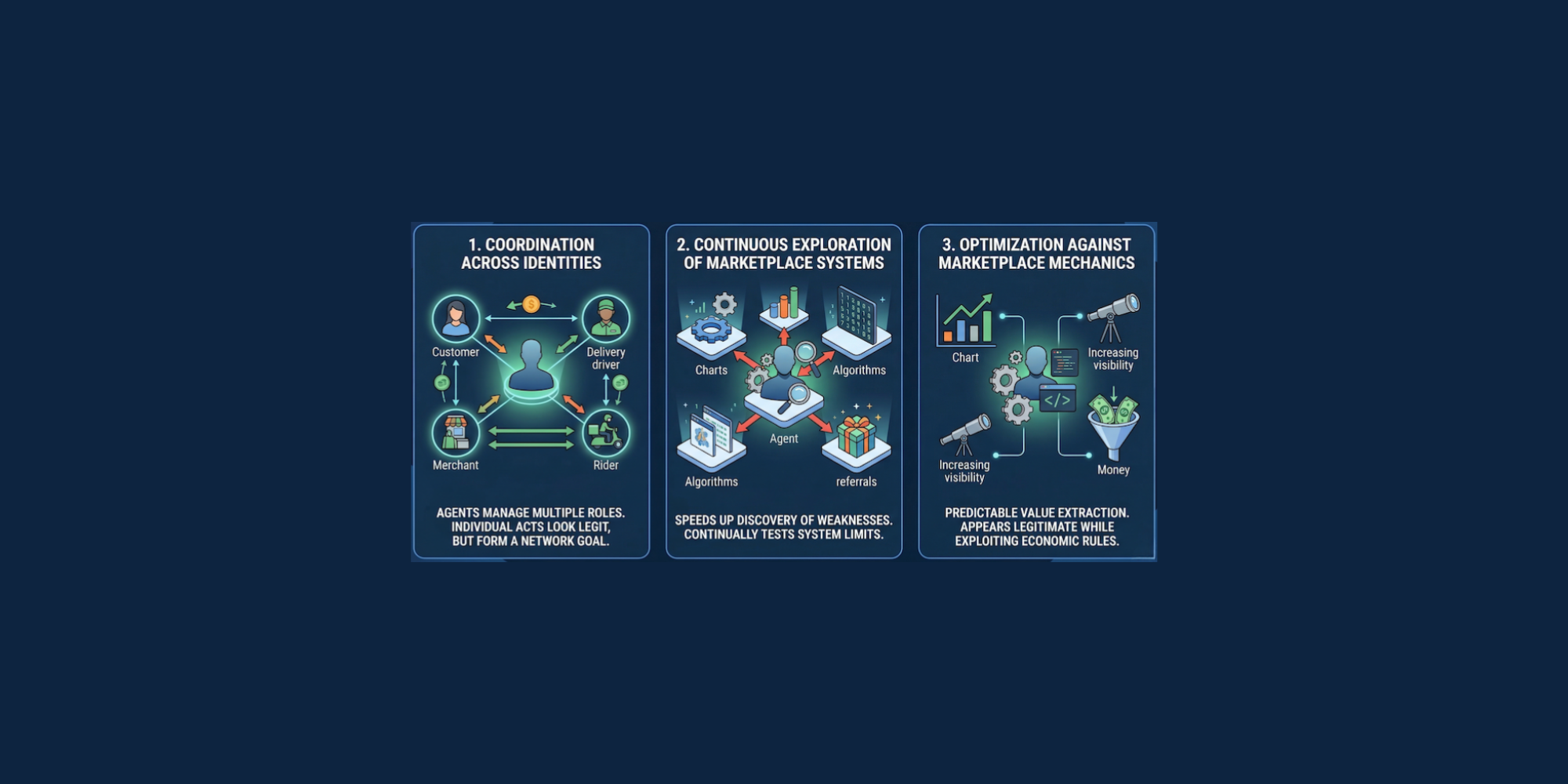
As fraud evolves, alignment will only grow more important. AI-driven agents, collusion networks, and low-and-slow attacks aren’t just noise at the edges. They’re behaviors that blend into customer journeys, probing for weaknesses that only show up when flows are viewed holistically.
Fraud teams will be the first to see these signals, but their impact won’t be contained to fraud. They’ll appear as churn, as reduced conversion, as inexplicable latency in flows. The ability to prove with evidence, not just suspicion, how abuse undermines the product will determine whether organizations adapt quickly or remain reactive.
In this sense, the fraud leader’s role is expanding. It’s no longer just about catching fraud. It’s about translating signals into proof, and proof into alignment.
From Signals to Action
Fraud prevention offers perspective into how the product is experienced in the real world, and fraud leaders are the translators of trust. They’re the ones who can show how abuse fractures flows, how broken flows erode growth, and how trust is the connective tissue holding it all together.
Their greatest challenge is making the organization feel what they see, and move with the same urgency.
When that happens, fraud prevention stops being a silo. It becomes a shared responsibility. The companies that embrace that alignment will scale with a level of trust their competitors can’t match.
--
Get Started with Spec
Getting started with Spec is simple and fast. We designed integration to eliminate common barriers and accelerate time to value:

- No major re-instrumentation required: Sessions automatically start when users land on your site or app.
- Lightweight integration: API calls are linked to sessions in real-time through simple configuration.
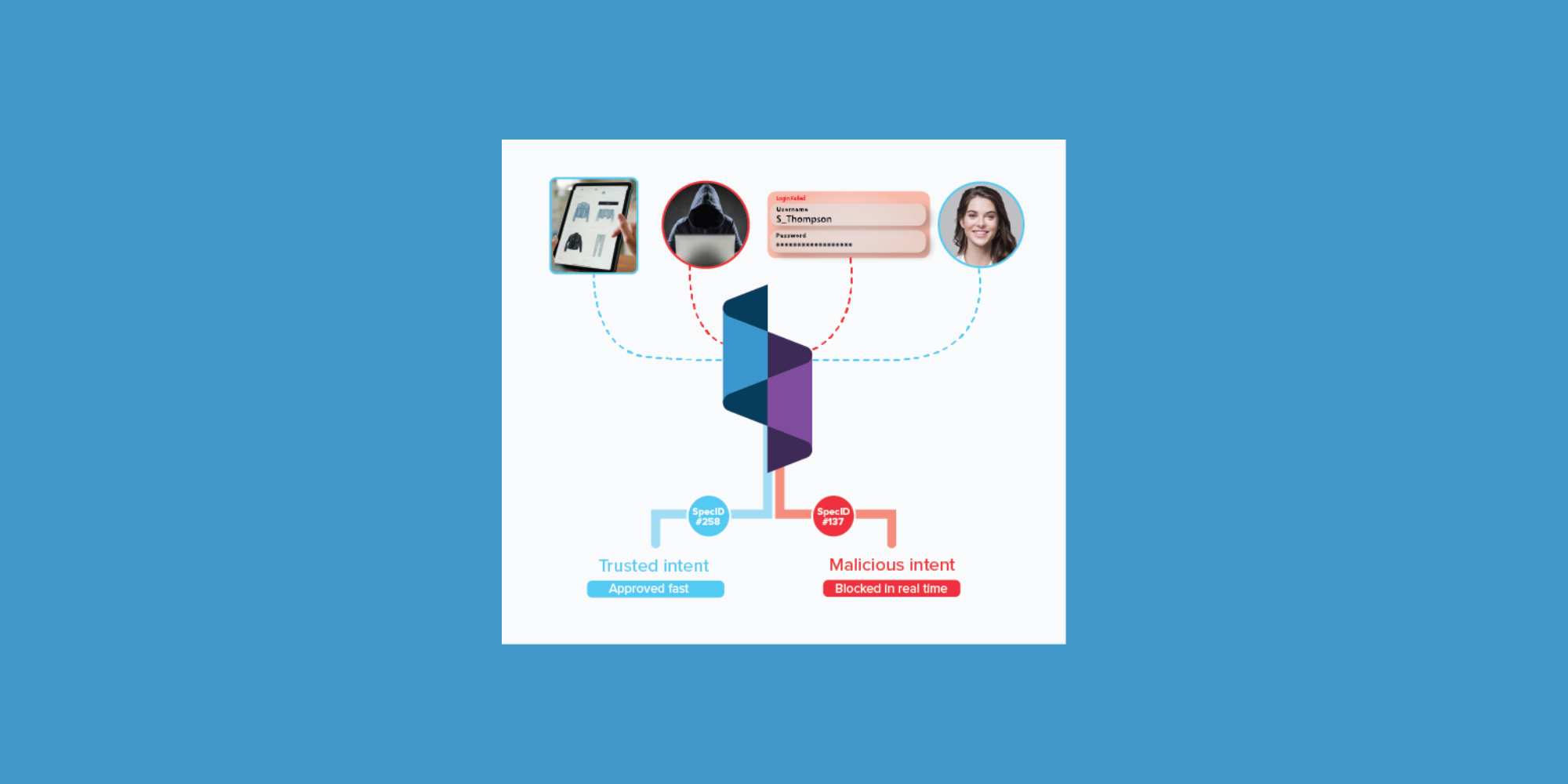
- Spec ID activates immediately: Returning users are fingerprinted and connected across sessions as soon as integration is live.
- Full support and onboarding: Our team guides your integration process, ensuring fast time-to-value.
You don’t need to rebuild your fraud stack to start seeing full customer journey visibility. Learn more.
Ready to get started with Spec?
As a seasoned fraud management professional with nearly 6 years of experience and CPFPP certification, Shawn specializes in developing and executing comprehensive fraud strategies that protect businesses from financial and reputational losses due to fraud. His background includes leading fraud investigations, building in-house fraud solutions, and enhancing fraud analytics capabilities at companies like Neo Financial and JustEatTakeaway.com. Shawn thrives in high-pressure environments where swift and accurate decision-making is critical. His passion for fighting fraud extends beyond the workplace and he is deeply committed to the fraud-fighting community.
Frequently Asked Questions

“With Spec, we can mitigate fraudulent activity, protect our revenue, and create a better user experience so that Indiegogo can remain a trusted crowdsourcing platform.”

Payments Manager
