


What Fraud Teams Learned in 2025 (And What Needs to Change in 2026)
Intro: 2025 was the year fraud stopped standing out
Across marketplaces, payments platforms, and digital businesses, attackers stopped relying on noisy spikes and obvious abuse patterns. Instead, they focused on blending in, learning systems over time, and exploiting the gaps between isolated checks.
The result is a growing disconnect. Many fraud stacks still look sophisticated on paper, yet teams feel like they’re constantly reacting, cleaning up losses, and banning the same bad actors again and again.
This post is a reflection on the ideas that mattered most. The ones that changed how fraud teams think about detection today and how they need to prepare for 2026.
1. AI Defenses Are Now a Core Competency in Fraud Management
Featured content
- How Spec Detects AI Agents That Blend In With Real Users
- Real-Time User Behavior Tracking
- Why Traditional Fraud Tools Miss the Mark
- Part 2: From Isolated Actions to Identifiable Abuse
- Multi-Event Behavioral Analysis: Linking the Clues That Fraudsters Leave Behind
- The Attacks You Can’t See Are the Ones That Hurt the Most
What this content explored
Several of our most-read pieces this year focused on a simple but uncomfortable reality: the most damaging fraud no longer looks suspicious in isolation. AI agents and sophisticated bots are designed to behave like real users across sessions, pages, and actions.
This topic resonated in 2025 because fraud teams were seeing legitimate-looking activity drive real losses.
Transactions passed checks, accounts appeared normal, and nothing obvious tripped alarms. Yet over time, patterns emerged that revealed coordination, intent, and repeat abuse. Event-based detection struggled because it evaluated moments, not behavior over time.
Key takeaway
Fraud doesn’t announce itself anymore. It conforms.
Heading into 2026
Fraud teams need to shift from evaluating single actions to understanding full customer journeys. Detection must account for patterns, pacing, and behavioral consistency over time.
2. Bots are Everywhere, Many are Good Customers
Featured content
- Guide: How to Tell Good Bots From Bad Bots
- How Spec Detects AI Agents That Blend In With Real Users
- Agentic AI & The Bot Problem You Can’t See
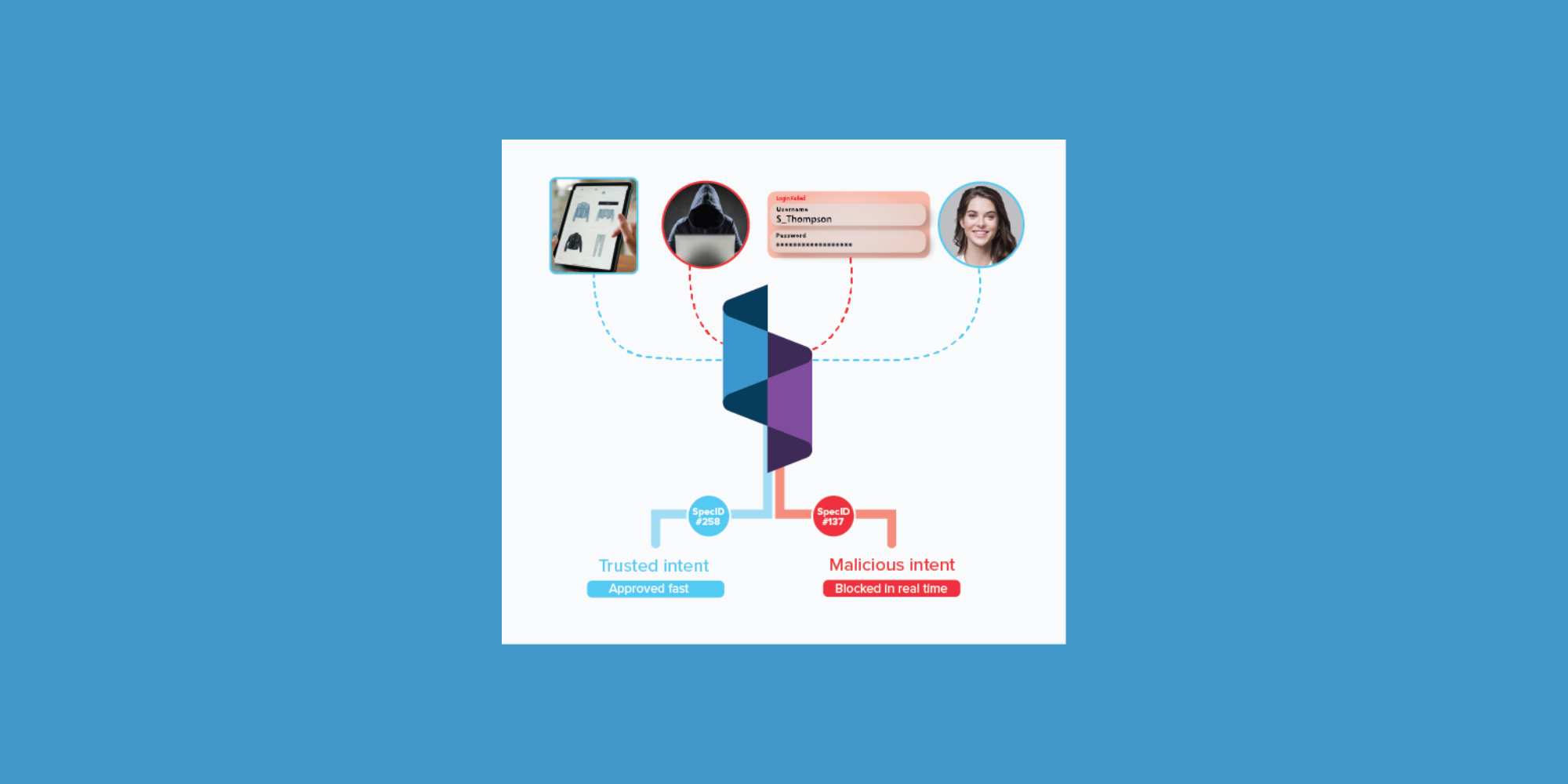
- Spec ID: Journey Data Fingerprinting
- B2B Agentic Commerce Will Dominate 2026
What this content explored
In 2025, the line between good bots, bad bots, and fake users became increasingly blurred. Volume alone stopped being a reliable signal. Many attacks now operate quietly, optimizing for persistence rather than speed. This creates a new risk: misclassifying activity that looks legitimate but isn’t.
This challenge became more pronounced as automation stopped being purely adversarial. Agentic systems are increasingly acting on behalf of real businesses, buyers, and operators, completing transactions, negotiating terms, and driving revenue without direct human involvement. In many environments, especially B2B, bots aren’t just present. They’re productive. That reality makes simplistic bot-blocking strategies untenable.
The content examined how legacy bot detection models struggle in this environment. When automation is adaptive and behavior is intentionally human-like, surface-level indicators such as request rates or user-agent strings provide little clarity. Without understanding intent, teams risk either allowing abuse to pass through or disrupting legitimate, revenue-generating activity that now looks indistinguishable from fraud at a glance.
Key takeaway
The real challenge isn’t blocking bots. It’s correctly understanding intent.
Heading into 2026
Fraud teams will increasingly be responsible for protecting signal integrity across their platforms. Behavioral context will matter more than traffic labels.
3. Identity Doesn’t Live in Accounts Anymore
Featured content
- Why Bans Don’t Stop Marketplace Fraud
- Why Traditional Fraud Tools Miss the Mark
- Infographic: What Repeat Abuse Looks Like
- The Evolution of Trust & Safety: Moving Upstream in a Downstream World
What this content explored
Blocking an account or banning a user can feel like resolution, but it rarely is. Attackers reuse infrastructure, behaviors, and identities across multiple accounts, creating cycles of repeat abuse.
This topic resonated strongly with fraud teams in 2025 because it put language to a shared frustration. Teams were doing the work. Investigating alerts, enforcing bans, tightening rules. Yet the same patterns kept resurfacing, often cleaner and harder to detect. The sense wasn’t that controls were failing outright, but that progress never seemed to stick.
The content explored why. Rules and bans are effective at stopping what is already known, but they operate downstream, after abuse has occurred, and without durable memory of who or what has been seen before. Without continuity across identities and behavior, enforcement removes individual instances of fraud while leaving the underlying system intact.
Key takeaway
Stopping one account doesn’t stop the actor behind it.
Heading into 2026
Durable identity and behavioral linkage are required to break repeat-offender loops and reduce operational churn. Without continuity, fraud remains cyclical, operationally expensive, and increasingly difficult to contain.
4. Blocks and Bans Are Making Attackers Smarter
Featured content
- How to Detect and Disrupt Attacks Without Tipping Off the Attacker
- How Honeypotting Breaks the Feedback Loop for ATO and Credential Stuffing
- Turning Signals Into Alignment
What this content explored
Immediate blocking, visible friction, and loud enforcement can unintentionally help attackers adapt. Error messages, failed attempts, and rapid responses all provide feedback.
This year’s content explored how quiet observation and strategic disruption can expose intent without educating adversaries. Rather than immediately blocking or challenging suspicious activity, these pieces examined how response timing and visibility shape attacker behavior, often determining whether an attack escalates or adapts.
By breaking down this feedback loop, the content highlighted how selectively observing, delaying, or redirecting activity can reveal patterns of intent and coordination.
Key takeaway
Not every response should be immediate or obvious.
Heading into 2026
Fraud teams should think as much about when to act as how to act. Strategic patience and deception will become important defensive tools as attackers rely on learning systems to optimize their behavior.
5. Proactive detection changes the cost curve of fraud
Featured content
- How Honeypotting Breaks the Feedback Loop
- Inside the Fight Against Card Testing
- Site Sentry: Proactive Fraud Attack Surface Analysis
What this content explored
Reactive detection focuses on cleanup after damage is done. Proactive detection focuses on surfacing attacker behavior early, before losses and operational burden escalate.
This distinction mattered to fraud teams in 2025 because many were feeling the compounding cost of always being late. Attacks like card testing and credential abuse often went undetected until volume spiked or losses became visible, by which point teams were already dealing with customer impact, chargebacks, and analyst burnout. The frustration wasn’t just financial, it was operational.
By examining how early signals appear well before alerts fire, this content showed what changes when detection moves upstream: teams can disrupt attacks while they’re still forming, rather than reacting once they are already costly and widespread.
Key takeaway
The earlier intent is detected, the cheaper fraud becomes.
Heading into 2026
Teams should invest in systems that surface emerging attack patterns early, not just tools that respond after thresholds are crossed.
6. Fraud detection isn’t static. It’s learned.
Featured content
- Pushing the Envelope: How Spec Grows Through Customer POCs
- A Smarter Way to Evaluate Your Fraud Stack
- Part 3: Enhanced Data Accessibility
- Scaling Product Experiences Without Breaking Trust
- Model Settings: Self-Service Data Features
What this content explored
No two platforms face the same fraud in the same way. This content highlighted how experimentation, iteration, and real-world testing reveal blind spots that static systems miss.
This theme resonated in 2025 because many fraud teams were under pressure to “lock in” solutions that promised coverage out of the box. In practice, teams found that fraud changed as their business scaled, user behavior shifted, or new incentives were introduced. What worked in one quarter often failed quietly in the next.
The content explored why fraud evolves too quickly for “set it and forget it” approaches. Instead of treating detection as a finished implementation, these pieces emphasized learning through testing, tuning, and ongoing evaluation to surface gaps before attackers exploit them.
Key takeaway
Detection systems must learn, or they fall behind.
Heading into 2026
Fraud teams should treat detection as a living system that’s continuously tested, tuned, and improved against new behaviors.
--
Conclusion: 2026 will reward teams that can see patterns early
The biggest lesson from 2025 was about how fraud itself is changing.
Attackers are quieter, more adaptive, and increasingly autonomous. Teams that rely on static rules, isolated checks, and reactive responses will continue to feel behind.
In 2026, the advantage will belong to teams that can observe behavior holistically, recognize patterns early, and respond strategically. Not louder defenses. Better understanding.
Ready to get started with Spec?
Be'Anka Ashaolu is the Senior Marketing Manager at Spec, the leading customer journey security platform leveraging 14x more data to uncover fraud that others miss. With over a decade of experience driving growth for B2B SaaS companies, she has built a reputation for developing high-impact strategies that fuel demand and elevate brand visibility. Be'Anka earned her degree with honors from Saint Mary’s College of California, majoring in Communications with a minor in English.
Frequently Asked Questions

“With Spec, we can mitigate fraudulent activity, protect our revenue, and create a better user experience so that Indiegogo can remain a trusted crowdsourcing platform.”

Payments Manager
